


Tangible drilling costs (TDCs) are the physical, salvageable parts of a well: casing, tubing, wellhead, tanks and surface equipment. Unlike intangible drilling costs, you do not deduct them all at once by default. You capitalize them and recover them through depreciation, generally over seven years under MACRS, unless bonus depreciation lets you take more up front. Below we show how the split works, what a schedule looks like in dollars, and where passive loss rules can stop a W2 earner from using the deduction.
TL;DR
- TDCs cover equipment with salvage value. They are capitalized and depreciated, while intangible drilling costs are generally deductible in the year paid or incurred.
- Oil and gas well equipment typically follows a 7-year MACRS schedule, per IRS Publication 946.
- Since July 2025, 100% first-year bonus depreciation has been permanent for qualified property acquired after January 19, 2025, which may speed up TDC deductions. Confirm eligibility with your CPA.
- Depreciation only helps against W2 income if the interest is non-passive. Structure matters as much as the deduction.
Table of Contents
- What counts as a tangible drilling cost
- Tangible vs. intangible drilling costs side by side
- How TDC depreciation works: the 7-year MACRS schedule
- Where bonus depreciation changes the picture
- The catch for W2 earners: passive activity rules
- Why the AFE matters more than most investors think
- Our perspective
- Where to start if you are evaluating a project
- FAQ
- Sources
What counts as a tangible drilling cost
The dividing line is salvage value. The regulation that gives operators the option to expense drilling costs, 26 CFR 1.612-4, covers the ordinary and necessary costs of drilling and preparing a well. It does not cover the purchase of equipment that keeps its value. Those items are capital assets.
In practice, TDCs include:
- Casing and tubing run into the well
- The wellhead and its fittings
- Pumping units and artificial lift equipment
- Storage tanks, separators and meters
- Surface equipment and gathering lines on the lease
Intangible costs are what you spend that leaves nothing to resell. Investopedia’s overview notes that costs are generally intangible if they lack salvage value, and that the word is misleading because it covers nearly every real expense except the equipment. Labor, fuel, hauling, supplies, site clearing and surveying all fall on that side.
TDCs are usually the smaller share of a well’s cost, and the larger share is intangible. That is why the first-year deduction from a drilling program tends to get the attention, and why the tangible piece is easy to overlook.
Tangible vs. intangible drilling costs side by side
| Tangible (TDC) | Intangible (IDC) | |
|---|---|---|
| Examples | Casing, tubing, wellhead, tanks | Labor, fuel, hauling, site prep, surveys |
| Salvage value | Yes | No |
| Default tax treatment | Capitalized, then depreciated | Deductible when paid or incurred, if elected |
| Typical recovery | 7-year MACRS | Year 1 (or amortized, if you choose) |
| Can bonus depreciation apply? | Potentially | Not needed |
The distinction is about capital recovery. Sunk costs come off your income right away, and durable assets come off gradually as they wear out. For a deeper look at the first-year side, see our guide to intangible drilling costs for investors.
How TDC depreciation works: the 7-year MACRS schedule
MACRS is the standard system for recovering the cost of business property. IRS Publication 946 explains depreciation as an annual deduction that lets you recover the cost of property used in a business or to produce income. Oil and gas production equipment generally lands in the 7-year class.
Under the half-year convention, a 7-year asset is deducted across eight tax years, with these percentages from the Publication 946 tables:
| Tax year | Percentage of cost |
|---|---|
| 1 | 14.29% |
| 2 | 24.49% |
| 3 | 17.49% |
| 4 | 12.49% |
| 5 | 8.93% |
| 6 | 8.92% |
| 7 | 8.93% |
| 8 | 4.46% |
A worked example
The numbers below are hypothetical and only illustrate the mechanics. Say you invest $100,000 in a drilling program, and the operator’s AFE allocates $30,000 of your share to tangible costs. On a standard 7-year schedule without bonus depreciation:
- Year 1: $30,000 × 14.29% = $4,287
- Year 2: $30,000 × 24.49% = $7,347
- Year 3: $30,000 × 17.49% = $5,247
That is about $16,881 across three years, with the rest spread through year eight. The remaining $70,000 of intangible costs would be the first-year deduction, if you qualify. The tangible deductions are a slower, steadier add-on rather than the headline.
To model your own numbers, use our free oil and gas tax deduction calculator.
Where bonus depreciation changes the picture
Bonus depreciation lets a taxpayer deduct a large first-year share of qualifying property instead of spreading it out. A Latham & Watkins summary of the One Big Beautiful Bill Act says the law, signed July 4, 2025, reinstated and made permanent 100% first-year bonus depreciation for qualified property, generally tangible property with a recovery period of 20 years or less, acquired after January 19, 2025.
Seven-year equipment fits that description in principle. So a TDC that would have produced $4,287 in year one in our example could, if bonus applies and you do not opt out, produce much more. Whether it applies depends on how the program is structured, when the equipment is acquired and placed in service, and who owns it for tax purposes. That is a conversation for your CPA before you commit capital, not after.
Our oil and gas depreciation methods guide covers the options in more detail.
The catch for W2 earners: passive activity rules
A deduction on paper is not the same as a deduction you can use. This is the most common trap for doctors, executives and other high earners.
Under the passive activity loss rules, losses from a business you do not materially participate in generally cannot offset wages. Interests in oil and gas wells have a special carve-out: a working interest held in a way that does not limit your liability, such as directly or through a general partner entity, is generally treated as non-passive. A limited partnership interest typically does not get that treatment, so depreciation from it can be suspended and carried forward.
The practical effect: the same $4,287 of year-one depreciation could reduce your W2 tax, or sit unused on a carryforward schedule, depending only on how you hold the interest. A plain-language explanation of passive activity loss rules is a useful read before you talk with an advisor, and our own piece on passive losses and the energy tax twist covers the oil and gas exception.

Two other limits to raise with your CPA: at-risk rules cap deductions at the amount you have at risk, and the alternative minimum tax can interact with drilling deductions.
Why the AFE matters more than most investors think
The Authority for Expenditure is the operator’s well cost estimate. PetroWiki’s AFE entry notes that accounting considerations, including tangible and intangible items, must be accounted for when it is prepared. Your tax return will rely on that split.
In turnkey contracts, where one price covers the whole well, the lines blur. Before you invest, ask the operator:
- Does the AFE or subscription document separate tangible from intangible costs?
- What share of your capital is expected to be tangible?
- Who holds title to the equipment for tax purposes?
- How will the operator report your share on the K-1 or other tax statement?
- Does the program contemplate bonus depreciation, and what does the operator assume?
A vague answer on any of these is a reason to slow down.
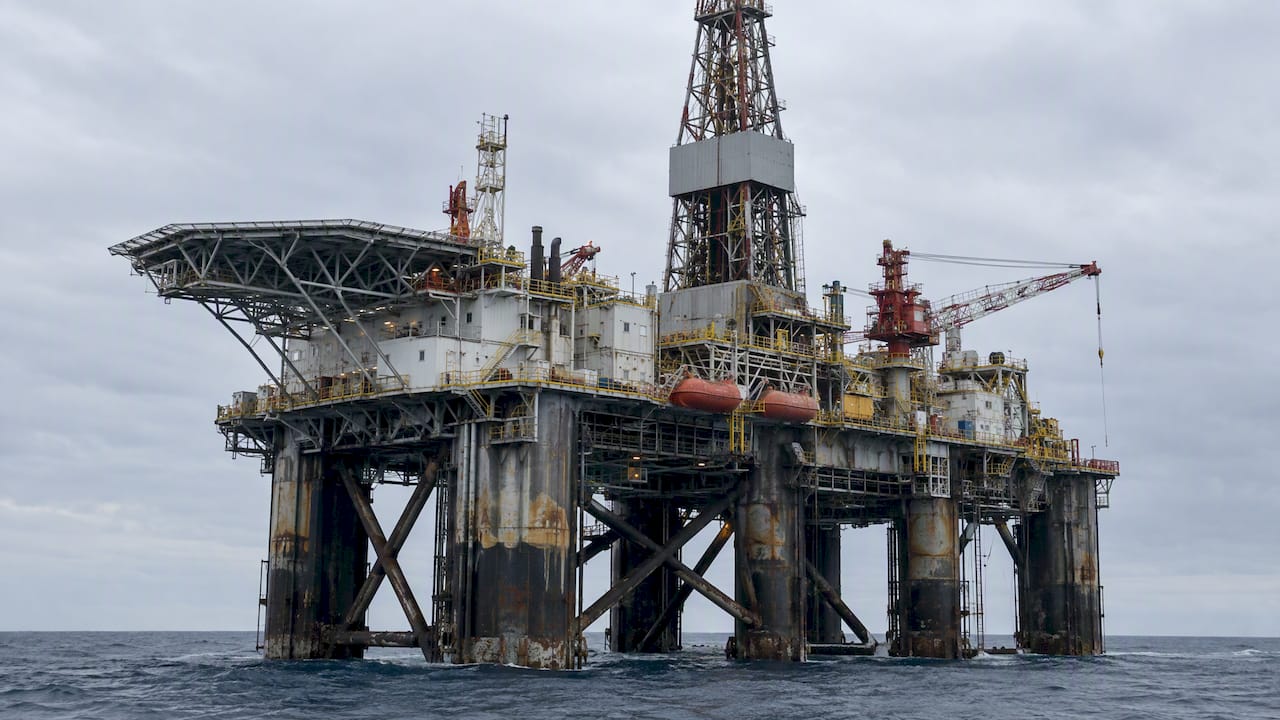
Asset classification can also be less obvious than it looks. In one IRS technical advice memorandum, an integrated producer that owned an offshore drilling platform had to classify it in Asset Class 13.2. Different owners and equipment can mean different classes, which is another reason to have a tax professional check your specific investment.
Our perspective
We talk with a lot of accredited investors who arrive with one question: how big is the first-year deduction? It is a fair question, but it is the incomplete one. The intangible deduction is the part that gets attention. The tangible side is where careful investors separate themselves, because it shows whether the deal was thought through.
Our view is that a deal’s tax treatment should be readable on one page. You should be able to see the split between IDC and TDC, the structure that determines whether losses are passive or not, and the operator’s assumptions. That is why we focus on presenting key project materials in a way that lets you compare projects side by side, and on working with vetted operators.
We also think the tax shelter framing sells the asset short. Industry testimony from the American Exploration & Production Council describes the long-standing treatment of drilling costs as a tool to encourage high-risk exploration, and the success of your investment still depends on whether the operator finds and produces oil or gas. Deductions reduce what you owe. They do not make a poor well good.
— Sharif
Where to start if you are evaluating a project
If you are an accredited investor weighing energy projects for the tax side, Fieldvest lists producing assets, development projects and energy infrastructure. You can browse them on Fieldvest, or start with how to lower your taxes with oil and gas investments for the full picture. Bring your CPA into the conversation early.
FAQ
What is the difference between tangible and intangible drilling costs?
Tangible costs buy equipment with salvage value, such as casing, tubing and tanks, and are depreciated over time. Intangible costs, such as labor, fuel and site preparation, have no salvage value and are generally deductible in the year paid or incurred. The regulation at 26 CFR 1.612-4 sets out the option for intangible costs.
How long do you depreciate tangible drilling costs?
Generally over seven years using MACRS, which spreads deductions across eight tax years under the half-year convention. Bonus depreciation may allow a larger share in year one if the property qualifies. Your CPA should confirm the class and method for your investment.
Can tangible drilling cost depreciation offset my W2 income?
Only if the activity is not passive for you. A working interest held without limited liability is generally treated as non-passive, while limited partnership interests typically are not, so losses may be suspended. Talk to a CPA who handles oil and gas before choosing a structure.
Are tangible drilling costs a big part of the investment?
Usually they are the smaller part, with intangible costs making up the larger share. The actual split depends on the well and is set out in the operator’s AFE, so ask for that document before you invest.
Sources
- 26 CFR 1.612-4, Charges to capital and to expense in case of oil and gas wells (eCFR)
- IRS Publication 946 (2025), How To Depreciate Property
- IRS technical advice memorandum on asset class for offshore platforms
- Investopedia, Intangible Drilling Costs
- PetroWiki, Authority for expenditures (AFE)
- Latham & Watkins, One Big Beautiful Bill: Key Business and Investment Impacts
- American Exploration & Production Council, Intangible Drilling Costs
Recommended

Get the Fieldvest Energy Brief
and AI-driven demand shifts — curated for accredited investors. Smart. Strategic. Tax-advantaged.