


Open the document to five spots before you read anything else: the management track record disclosure, the reserve report (or its absence), the distribution waterfall, the use‑of‑proceeds table, and the fee schedule. If any of those five is missing, vague, or unverifiable, you have your answer in under two minutes. If all five hold up, the prospectus earns a real read.
Here’s the fast scan, in order:
- Issuer identity and track record. Look for named principals, prior well results, and a Form D filing you can pull on EDGAR. Red flag: bios that describe “decades of experience” with zero well-level results attached.
- Reserve report availability. Confirm an independent competent person report (CPR) is attached or referenced, not just internally generated numbers.
- Deal economics and waterfall. Find the distribution priority and preferred return language. Red flag: no defined payout trigger for operator carry.
- Use of proceeds. Check the intangible drilling cost (IDC) versus tangible split. Red flag: a single lump “drilling and completion” line with no breakdown.
- Conflicts and fees. Scan for management fees, reimbursements, and related-party transactions in one place.
No independent reserve report, an unbroken use-of-proceeds line, or missing audited financials are the three fastest reasons to pass on a private oil and gas offering without reading further.
Pro Tip: Go straight to the signature page of the management bios and cross-reference the named principals against the SEC’s EDGAR full-text search. A five-minute check there tells you more than an hour spent on the marketing narrative up front.
Key Takeaways
Reading an oil project prospectus well means verifying the CPR, the use-of-proceeds split, and the sponsor’s track record independently before trusting any projected return.
| Point | Details |
|---|---|
| Triage in five checks | Confirm issuer identity, reserve report, waterfall clarity, use of proceeds, and fees before reading further. |
| Demand the CPR | Treat a missing independent competent person report as a disqualifying red flag, not a minor gap. |
| Verify the IDC split | Confirm the intangible drilling cost versus tangible allocation in the use-of-proceeds table for tax planning. |
| Check track record independently | Cross-reference well-level API numbers and Form D filings rather than trusting sponsor bios. |
| Use Fieldvest for vetted access | Fieldvest pre-vets operators and reserve reports and offers a free tax deduction calculator for faster diligence. |
This article is general information, not a substitute for advice from a qualified financial advisor. Consult a qualified financial professional about your own circumstances before acting on anything here.
Table of Contents
- Where the Key Disclosures Live in an Oil Prospectus
- What Financial Numbers Actually Drive Your Cash Flow?
- How Do You Read a Reserve Report or CPR?
- What Deal Terms Actually Determine Your Payout?
- How Do You Verify the Tax Deduction Claims?
- How Do You Verify a Sponsor’s Track Record?
- What’s on a 10-Point Due Diligence Checklist?
- What Do the Subscription Documents Control?
- How Fieldvest Vets Oil and Gas Offerings for You
- Sources
Where the Key Disclosures Live in an Oil Prospectus
A private placement memorandum (PPM) for an oil and gas project follows a fairly predictable skeleton, even though sponsors vary in how much detail they put in each part, and performing a microgrid feasibility study can similarly help in assessing project viability. Learning that skeleton is the fastest way to stop reading pages that don’t matter and start reading the ones that do.
The cover and legend page states the offering type and Regulation D exemption relied on. The summary compresses the deal thesis. Risk factors, ironically, are where sponsors are legally required to admit the weak points they’d rather you skip. Terms and use of proceeds define the actual mechanics. Management and track record sections should name real people and real prior projects, not just credentials. Reserve and CPR appendices, financial statements, and subscription documents round out the rest.
| Document Section | What It Should Contain | What a Gap Usually Means |
|---|---|---|
| Cover / legend | Exemption type, offering size, subscription minimum | Missing legend language raises compliance questions |
| Risk factors | Commodity price risk, drilling risk, illiquidity | Boilerplate-only risks suggest a rushed filing |
| Use of proceeds | IDC vs. tangible cost breakout | A single lump sum hides the tax allocation |
| Management & track record | Named principals, prior project outcomes | Vague bios without well-level results |
| Reserves / CPR appendix | Independent reserve estimate, methodology | No appendix means no third-party validation |
| Financial statements | Audited or reviewed statements | Unreviewed pro formas only, no audit trail |
A structured overview of what investors should review in these offerings can help you build a working mental map before your first read-through. And a genuine offering should include the Form D notice filed with the SEC, since that filing confirms the exemption the sponsor claims to rely on.
What Financial Numbers Actually Drive Your Cash Flow?
Three numbers determine what lands in your account: production volumes, your net revenue interest (NRI) relative to gross working interest, and operating plus transport costs, all multiplied against a realized price assumption. Everything else in the financial model is commentary on those three.
Before you trust a projected return, find these inputs in the PPM:
- Reserve volumes and the decline curve used to project them
- The assumed oil and gas price deck (and how far it sits above spot)
- Lift costs, operating costs, and gathering/transport deductions
- Royalty and overriding royalty burdens on the working interest
- Expected capital expenditure and any hedging program
Running a sanity check doesn’t require a spreadsheet model. Cut the assumed price 30% and cut projected production 20%, then see if the distribution schedule still services the stated returns. If the sponsor’s own S-1 prospectus language defines “Distributable Cash from Operations,” reconcile the quarterly numbers in the projection table against that exact definition. Watch for:
- Price decks meaningfully above the forward strip with no explanation
- Unlabeled “reserves upside” lines padding the base case
- Payout tests run on gross revenue instead of net revenue after royalties
Pro Tip: Sponsor reimbursements often get buried inside the operating expense line rather than disclosed separately. That single line can shave real basis points off your early-year IRR, so ask the sponsor directly whether reimbursements are netted against distributable cash or are itemized separately. A closer look at common deal terms and structures shows how frequently this gets glossed over.
How Do You Read a Reserve Report or CPR?
Treat the absence of an independent competent person report as disqualifying. Sponsor-generated reserve numbers without third-party review are a marketing document, not an engineering one, and industry guidance on reserve reporting treats independent verification as the baseline standard, not an optional extra.
Once a CPR exists, read for these terms:
- Proved developed producing (PDP) — reserves from wells already online, the most reliable category
- Proved undeveloped (PUD) — reserves requiring future capital, inherently more speculative
- EUR per well — estimated ultimate recovery, and whether it’s benchmarked against nearby analog wells
- Recovery factor and decline assumptions — the curve shape that determines how fast production falls off
Independent reserve reports typically draw on well logs, seismic data, and production analogs from comparable wells nearby, so a CPR with no stated data sources or methodology section is worth a second look.
Check the report date against the offering date. A CPR older than 12 to 18 months may not reflect current well performance or commodity assumptions. And if the appendices lack drilling schedules or well logs entirely, treat the technical case as unproven rather than assume it’s simply summarized elsewhere. Reviewing how reserve data gets interpreted in practice is a useful next step once you’ve located the appendix.
What Deal Terms Actually Determine Your Payout?
The single clause that matters most is how “payout” is defined for the operator’s back-in or carried interest, and whether costs counted toward that payout are measured gross or net. Get that wrong and your projected IRR is fiction.
Confirm these terms exist and are unambiguous:
- Minimum investment and unit structure (working interest vs. carried interest)
- Distribution priority and any preferred return hurdle
- Promote or carried interest percentage, and what triggers it
- Management fees and expense reimbursement language
- Whether costs counted toward “payout” are gross or net of the sponsor’s own fees
To pressure-test the numbers:
- Locate every tier of the distribution waterfall in the terms section
- Identify exactly what event triggers the operator’s carried interest
- Reconcile a sample distribution table against the plain-language waterfall description
- Flag any mismatch between the example numbers and the stated formula
A prior discussion of waterfall mechanics covers how joint venture structures can complicate this further when multiple working interest partners are layered into the same project.
How Do You Verify the Tax Deduction Claims?
Head straight to the “Tax Aspects” section and cross-reference it against the use-of-proceeds table. The share of capital allocated to intangible drilling costs versus tangible equipment is what determines your first-year deduction, and marketing language alone won’t tell you that split.
Confirm these specifics before you count on any deduction figure:
- The exact IDC versus tangible cost percentage split
- Whether depletion is calculated on a percentage or cost basis
- How passive loss rules apply to your specific tax situation
- The schedule for K-1 issuance, and whether that schedule has held in prior years
Pro Tip: Ask for a sample K-1 from a prior fund the same sponsor ran, along with the tax counsel memo the PPM references. If tax benefits are prominently marketed but the underlying memo isn’t offered, that’s a meaningful gap. One structural distinction sophisticated, tax-focused investors watch closely: PPMs that transparently allocate capital to IDCs tend to preserve first-year deductions far more reliably than those with vague, lumped cost categories.
None of this replaces a licensed tax advisor. Promoters can describe how a structure is designed to work, but they cannot promise your personal tax outcome, and the Tax Aspects language in a well-drafted PPM should say exactly that.
How Do You Verify a Sponsor’s Track Record?
Verify management history independently. Real production data and prior project financials matter far more than a polished bio page, and Investor specifically warns that investors often receive only promoter-supplied information with no independent verification path.
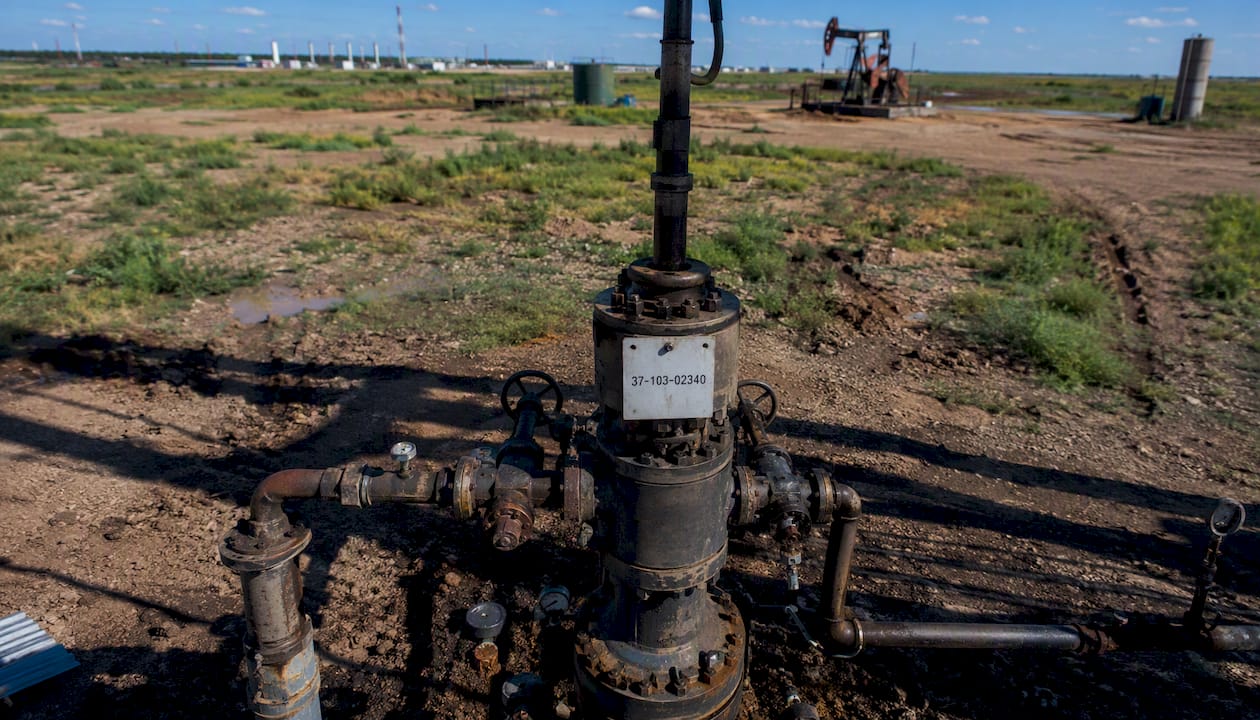
- Search prior well results tied to the named principals by API number
- Pull the sponsor’s Form D filing history on EDGAR
- Check state oil and gas commission production records for claimed prior projects
- Search for any prior bankruptcy filings or enforcement actions
A sponsor who claims decades of experience but can’t produce well-level API numbers and production history for a single prior project has given you a marketing pitch, not a track record.
Watch for related-party transactions, operator back-in clauses that favor the sponsor over investors, oversized upfront fees, and indemnity language so broad it shields the sponsor from nearly everything.
Pro Tip: Ask for a complete list of prior wells with API numbers before you go further. A sponsor who hesitates on this single request has told you everything you need to know.
What’s on a 10-Point Due Diligence Checklist?
Use this list to decide whether a deal earns paid diligence (legal, tax, and engineering review) or gets a pass today.
- Confirm issuer identity and pull the Form D filing
- Demand the independent CPR and its underlying data
- Review lease and title opinions for the specific acreage
- Reconcile financial projections against stated definitions
- Verify operator experience with well-level production records
- Confirm the complete fee and reimbursement schedule
- Validate tax statements against the use-of-proceeds table
- Check environmental compliance and plugging bond adequacy
- Understand transfer restrictions on your unit
- Confirm the expected timeline to first distribution
Sample questions worth asking the sponsor directly:
- Provide the CPR and the underlying data used to build EUR assumptions.
- Can you produce API numbers for every well in your claimed track record?
- What percentage of proceeds is allocated to IDCs versus tangible costs?
- How is “payout” defined for the operator’s carried interest?
- Who audited or reviewed the financial statements, and when?
Once the answers check out, bring in an independent petroleum engineer first, then tax counsel, then a securities attorney to review the subscription documents.
What Do the Subscription Documents Control?
Subscription documents define who’s allowed to invest, how capital calls work, and how restricted your unit is once you own it. Read this packet before you read the marketing summary.
- Investor accreditation representations and required KYC/AML documents
- Transfer restrictions and any buy-sell provisions on your interest
- Capital call timing and wiring instructions
- Escrow and closing procedures before funds are deployed
Private oil and gas interests are illiquid by design. Secondary markets barely exist, and transferring your unit typically requires sponsor consent plus legal review. Expect a gap of weeks to a few months between subscription and capital deployment, and confirm exactly where that timeline is spelled out in the closing section, not inferred from the summary.
When Is a Prospectus Worth Pursuing, and When Do You Walk?
Pursue paid diligence when the PPM has an independent CPR, a transparent use-of-proceeds breakdown, and audited or reviewed financials. Walk away the moment a sponsor resists producing any of the three.
A large IDC allocation paired with a credible, verifiable operator and proved producing acreage can justify real risk. Vague geology, a missing title opinion, or a sponsor who won’t name prior wells usually means the project fails triage before it deserves a deeper look. Calibrate your own risk tolerance against your tax planning horizon, not against the sponsor’s enthusiasm.
How Fieldvest Vets Oil and Gas Offerings for You
Reading a 100-page PPM cover to cover for every deal that crosses your desk isn’t a realistic use of your time, and it’s exactly the gap Fieldvest was built to close. Fieldvest vets operators before a deal ever reaches you, verifying reserve reports and confirming transparent use-of-proceeds allocations so the triage work described above has already happened once by the time you see the offering.
Beyond vetted access, Fieldvest connects investors with engineering and tax referrals for deeper diligence, and offers tools like a free tax deduction calculator so you can estimate first-year IDC deductions before committing capital. If you want to see how a specific allocation could affect your tax bill this year, start with the oil and gas tax deduction guide and run your own numbers.
Sources
- Regulation D offerings (SEC statistics and data)
- Investor
- Petroleum resources management system (reserve reporting guidance) — AGR
Recommended

Get the Fieldvest Energy Brief
and AI-driven demand shifts — curated for accredited investors. Smart. Strategic. Tax-advantaged.